Work mode for field response. Personal mode for everyday capture and companionship.
Controlled previewProprietary concept
Mission-ready autonomy with a human face
A drone that supports rescue, recovery, field work, and everyday life like a trusted autonomous teammate.
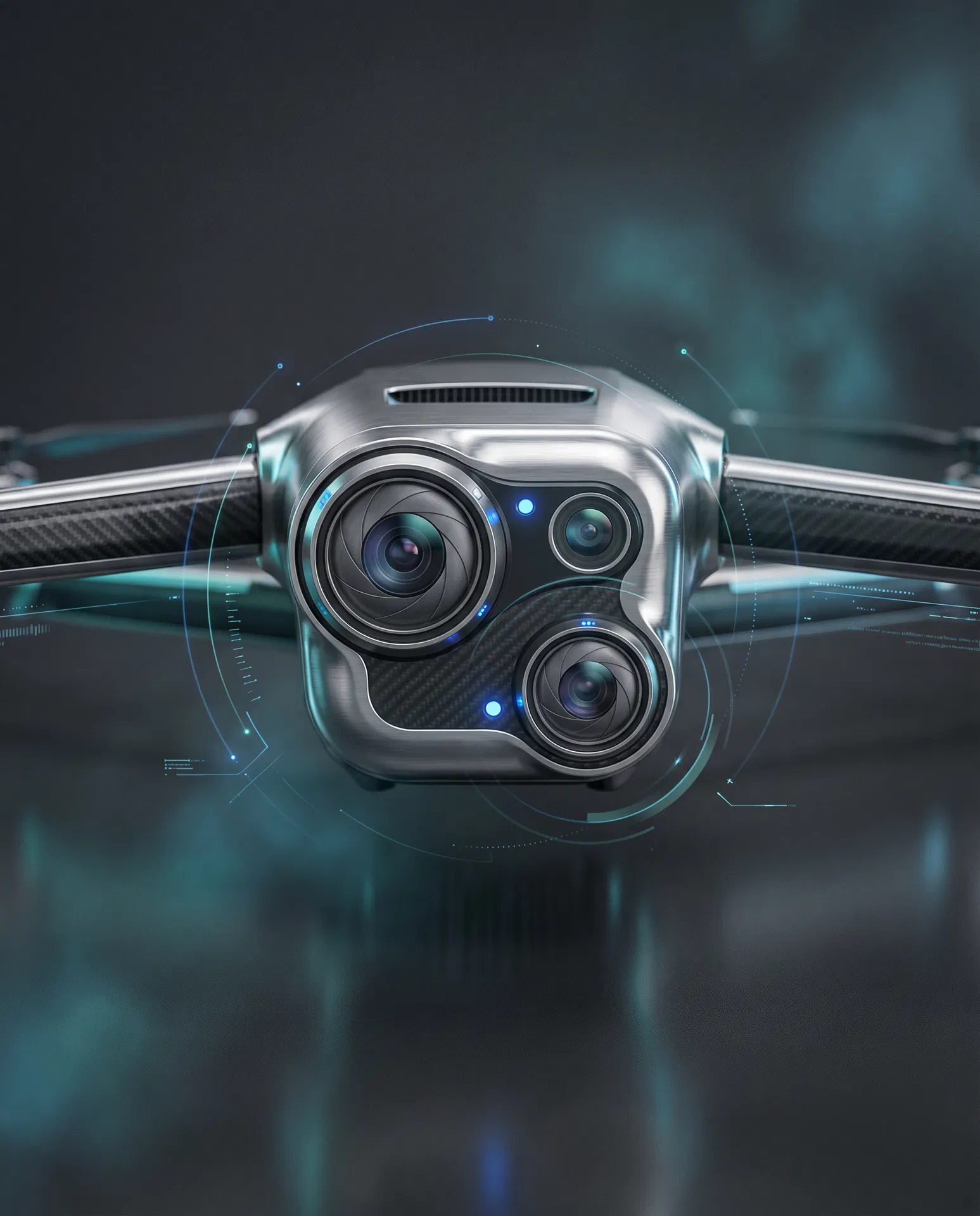
AI Drone Companion reframes the aircraft as a relationship-driven operating system: voice guided, visually aware, cross-platform in ambition, and grounded in real-world service work. The concept is being developed under the direction of John D. Woodward and FSO Missions.
The site is presented as a controlled investor and partner preview while broader legal and commercialization steps are still being structured.
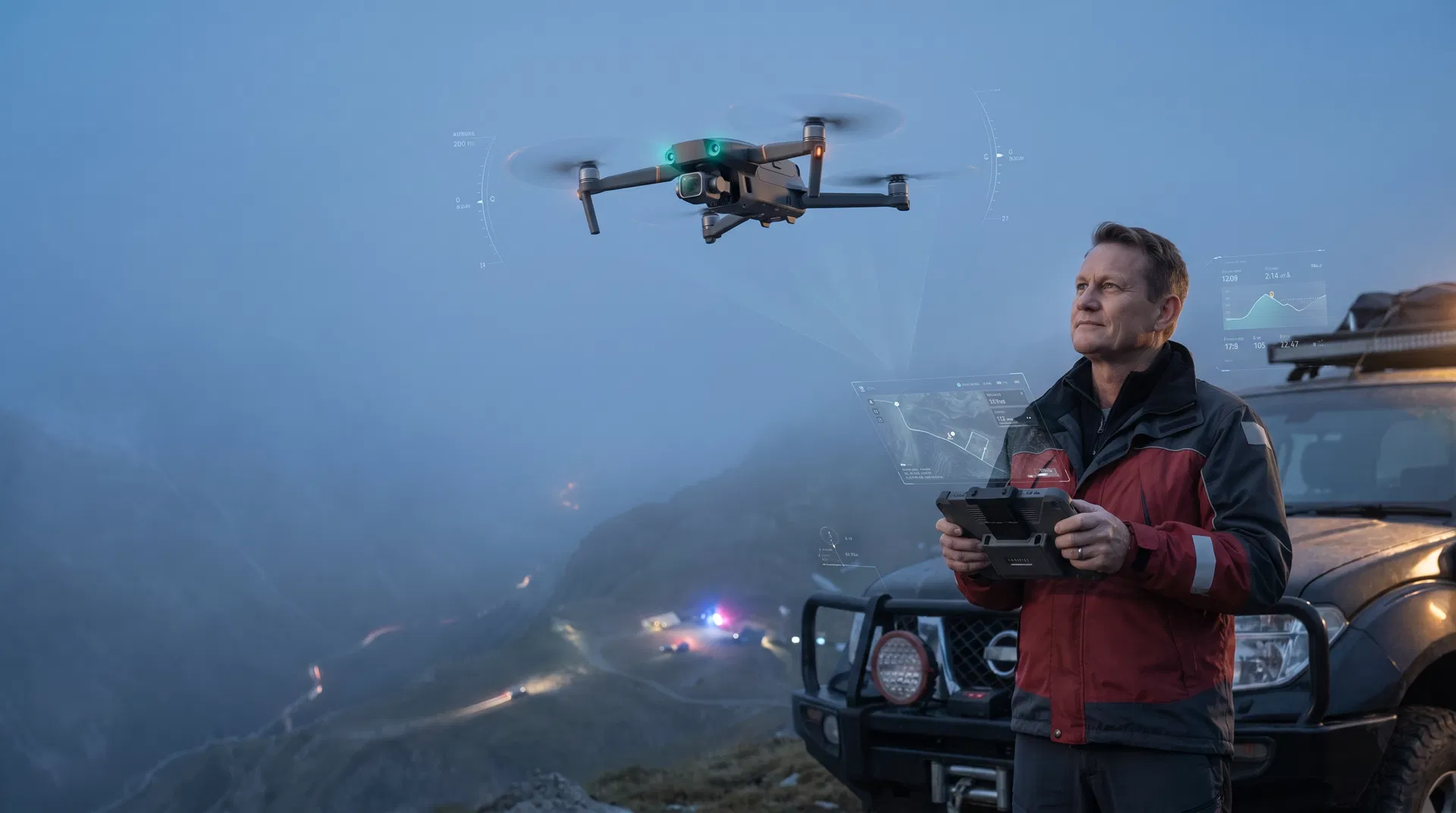
Mission signal
Built for people who need more than remote control.
The core idea is simple: allow the operator to focus on safety, people, terrain, judgment, and mission intent while the AI absorbs more of the mechanical burden of flight, framing, and situational awareness.
Designed around DJI-class aircraft today with a path toward MAVLink and future airframes.
The AI offloads observation, framing, search support, and voice-based interaction.
Operational modes
One brand experience, two very different moments of need.
The same underlying AI identity can behave like a calm tactical teammate in the field and a more intuitive creative companion during ordinary life.
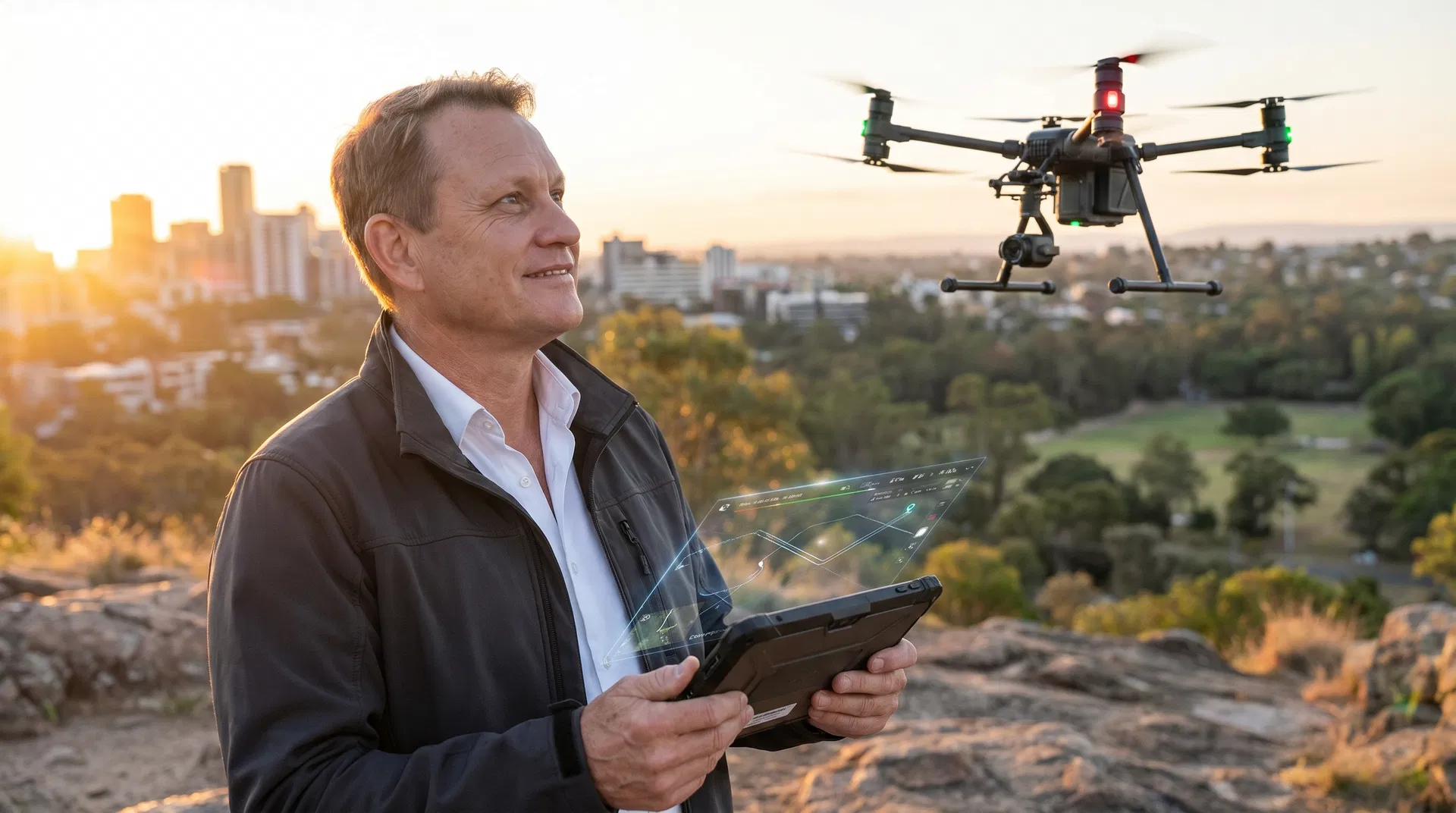
Work mode
For search, rescue, recovery, and higher-consequence operations.
This mode is shaped by the realities of hazardous environments, decision support, and the need for fast visibility without adding complexity to the operator’s hands or attention.
Hazard-aware flight support
The drone assists in hazardous environments by maintaining awareness of terrain, obstacles, and risk zones while the operator stays focused on decisions.
Search, rescue, and recovery utility
The concept is positioned to support mission-led work such as search coordination, recovery visibility, and field intelligence in dynamic conditions.
Live field interpretation
Sensor data, route cues, and environmental observations are surfaced in a calmer, more understandable interface for real operators.
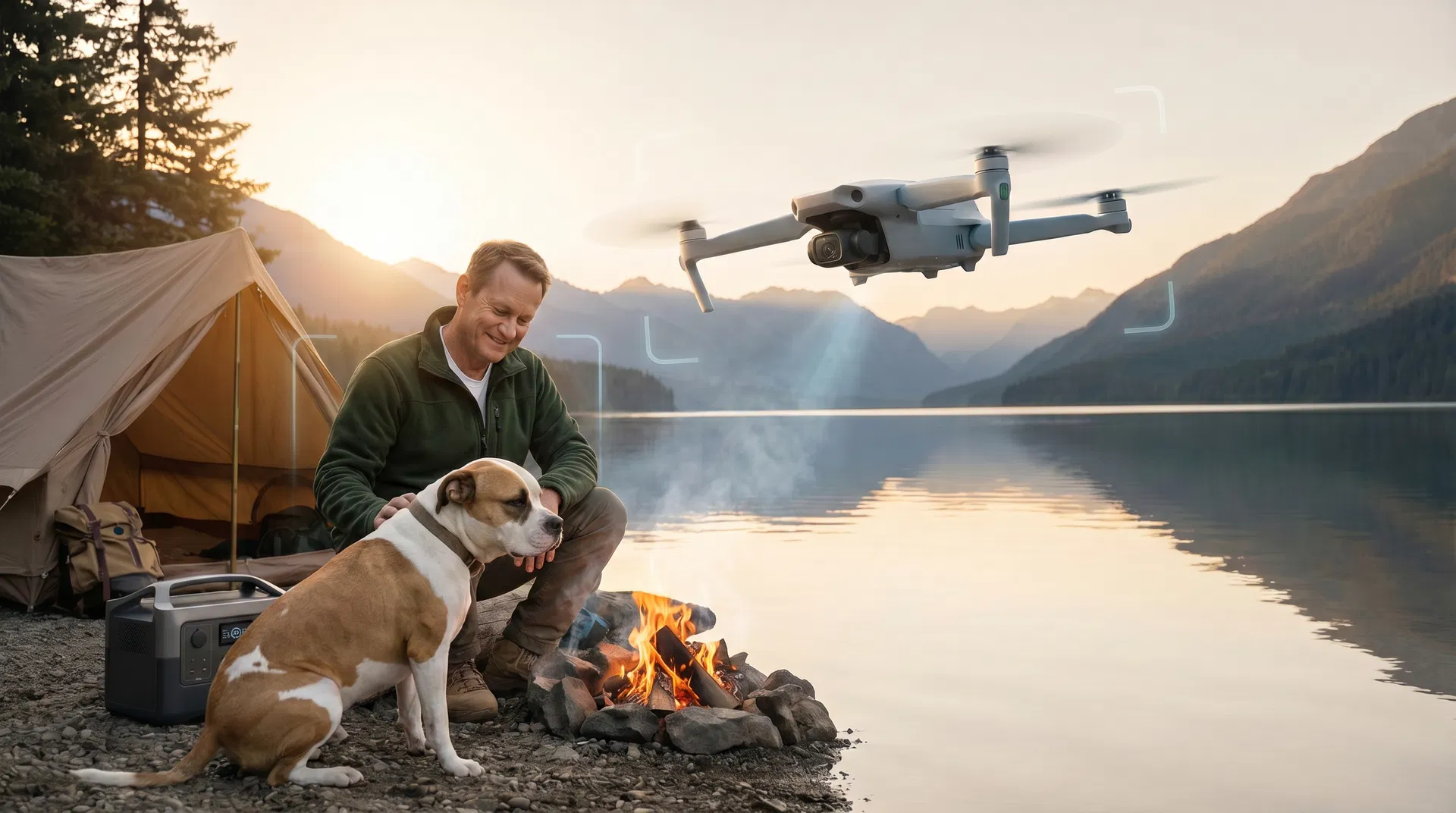
Personal mode
For memory-making, exploration, companionship, and easier capture.
Here the drone becomes more personal: voice-aware, aesthetically helpful, and capable of quietly preserving moments without feeling like a burden or distraction.
Voice-first control
Natural speech becomes part of the control layer, helping the operator direct movement, capture, and mission intent without constant manual overhead.
Adaptive companion behavior
The AI learns routines, preferred framing styles, and interaction patterns so the drone feels less like equipment and more like a trusted partner.
Lifestyle moments
From a campsite to a weekend outing, the system can preserve meaningful moments while staying aligned with safety and ease of use.
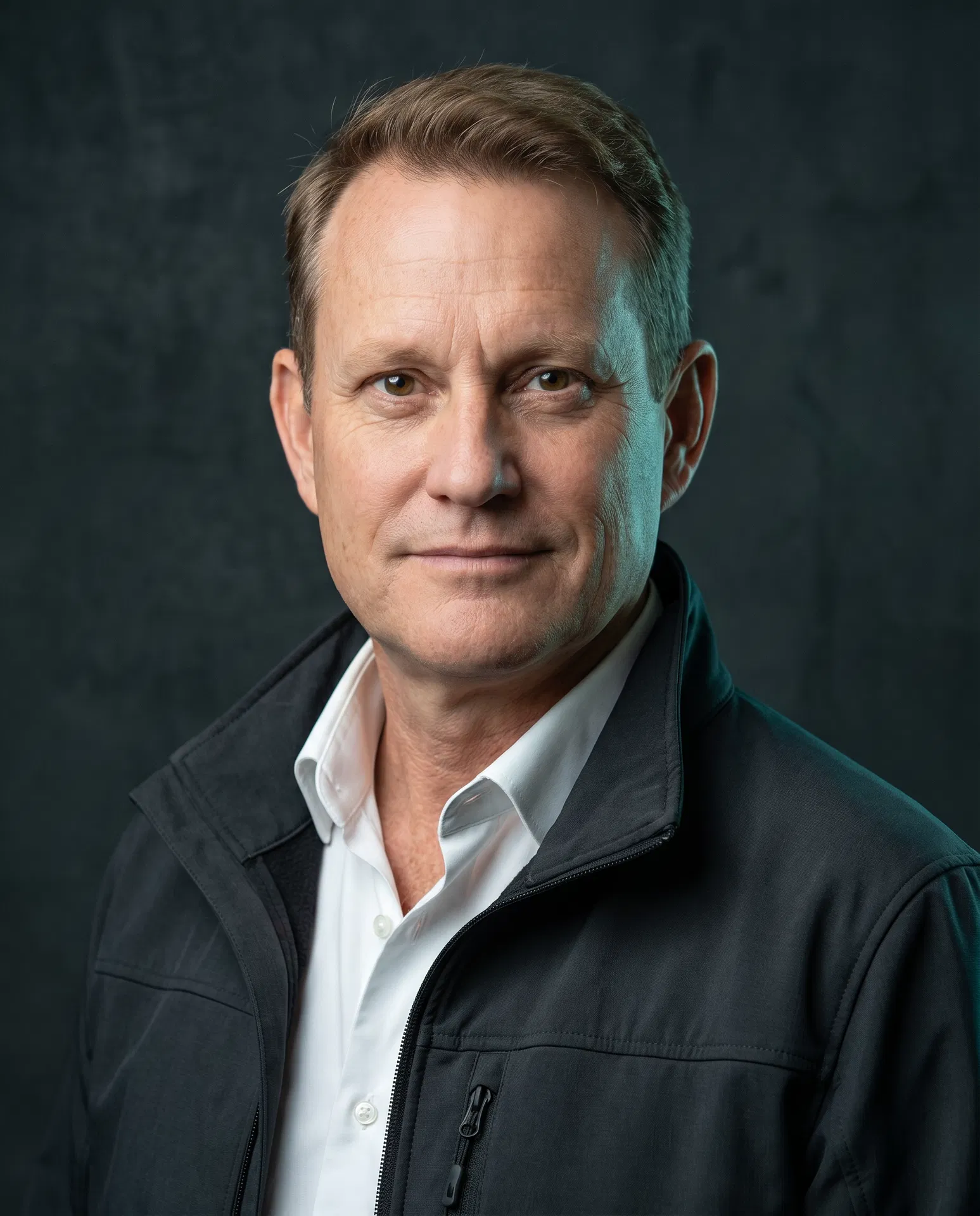
Founder perspective
A concept shaped by service, field reality, and human trust.
The website story is intentionally grounded in a founder-led point of view: not merely a drone platform, but a supportive system that can serve life-saving work, modern operations, and the human moments that matter outside of crisis.
Public-facing name
John D. Woodward
Brand context
FSO Missions, with positioning that bridges field operations and future productization.
Emotional promise
The aircraft is imagined as a capable friend: useful under pressure, present in ordinary life, and memorable enough to stand apart in the market.
Architecture direction
Cross-platform in ambition. Human-centered in behavior.
The concept is framed as an intelligence layer rather than a single-airframe product. That makes room for DJI-class aircraft now, future MAVLink-style integrations later, and a more durable brand identity across changing hardware.
Aircraft abstraction
A hardware-agnostic control philosophy lets one brand experience stretch across consumer, prosumer, and custom airframes over time.
AI on the edge and in the loop
Fast decisions stay close to the operator while more advanced intelligence can expand through connected services when appropriate.
Human-centered autonomy
Autonomy is framed as relief, support, and confidence — never as a replacement for judgment in critical moments.
Release posture
The strongest next move is a protected preview, followed by selective pilots.
Because the idea spans AI, cross-platform drone control, public-safety relevance, and brand differentiation, it benefits from being introduced carefully. That means showing enough to attract aligned people while preserving what makes the concept defensible.
Controlled investor preview
Initial positioning is best suited to private review, pilot discussions, and strategic conversations while rights strategy remains protected.
Pilot deployment pathway
Public-safety organizations, field teams, and aligned partners can be approached first through curated pilots rather than broad release.
Commercial rollout later
Public pricing and wider availability should follow after legal review, product validation, and commercialization readiness.